Are you curious about which insurance companies hold the most significant sway in the global market? Discovering the giants in the insurance industry is not just fascinating—it’s essential for understanding where the power lies in protecting our futures. These companies are not just leaders; they are innovators, shaping the way we view risk and security in an ever-changing world.
With a strategic blend of innovation, customer-centric policies, and the agility to adapt to technological advances, these leading insurers have carved out substantial shares in the market. Let’s delve into the intricacies of their dominance and uncover the secrets behind their towering success.
Overview of Leading Insurance Companies by Market Share
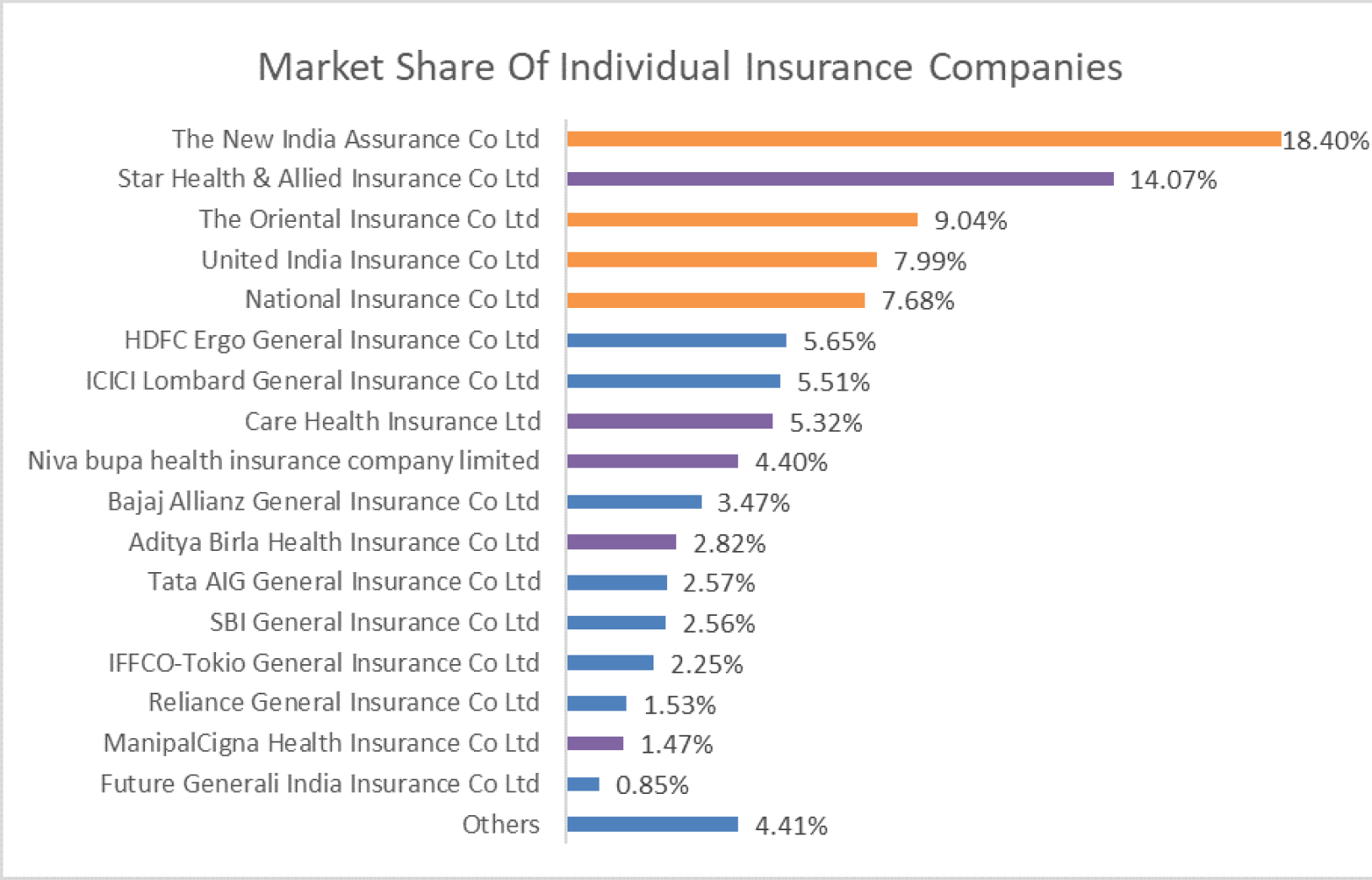
The insurance industry is a competitive field dominated by a few key players who lead the market with substantial shares. These companies set the benchmarks and trends that shape the industry globally.
Market share in the insurance industry is often calculated based on the total premium collected by a company relative to the industry’s total premium. This percentage represents the company’s influence, reach, and competitive position in the insurance market.
Top Insurance Companies by Market Share
Let’s dive into the list of the top insurance companies that have consistently led the market by holding the largest shares. These giants have demonstrated resilience and adaptability in an ever-evolving market landscape.
- Company A: Known for its robust financial services and innovative policies, Company A has continually held a significant portion of the market share.
- Company B: With a focus on customer-centric solutions, Company B has carved out a large share by building strong customer loyalty.
- Company C: By leveraging technology, Company C has enhanced its operational efficiency, contributing significantly to its market dominance.
- Company D: This company has expanded rapidly in international markets, thus increasing its share significantly over recent years.
Understanding Market Share Calculation in Insurance
The calculation of market share in the insurance industry is not just a reflection of revenue but also a measure of a company’s ability to effectively meet customer needs and navigate regulatory landscapes. It involves:
| Factor | Description |
|---|---|
| Premium Volume | The total premiums written over a period, indicating a company’s business scale. |
| Customer Base | The breadth and loyalty of the customer base, affecting overall market influence. |
| Financial Performance | Profitability and financial health, reinforcing market confidence and share. |
Market Share Trends Over Recent Years
In recent years, the insurance industry has witnessed several trends impacting market share dynamics:
- With the rise of InsurTech startups, traditional companies are facing pressure to modernize and innovate.
- The demand for personalized insurance products has grown, challenging companies to diversify their offerings.
- Regulatory changes have reshaped competitive landscapes, requiring companies to adapt swiftly.
- Environmental and social governance (ESG) factors are increasingly influencing consumer decisions and market reputations.
“Understanding the shifts and trends in market share is crucial for predicting future industry landscapes and devising strategic growth plans.”
Key Metrics for Evaluating Market Share
In the dynamic world of insurance, understanding market share is crucial. It’s more than just numbers; it’s a reflection of an insurance company’s competitive edge and influence in the industry.
Market share provides a window into the success and reach of insurance companies, serving as a vital indicator of their competitive positioning and financial health. Analyzing this metric alongside others can provide a comprehensive view of a company’s performance.
The Significance of Market Share in the Insurance Industry
Market share is not just a measure of sales volume or revenue; it is a barometer of influence. A larger market share suggests a stronger presence, brand recognition, and consumer trust. Insurance companies with substantial market shares can often negotiate better terms, access broader customer bases, and leverage economies of scale to their advantage.
Complementary Financial Performance Indicators
Market share is just one of many tools in the financial analysis toolbox. It is complemented by other metrics such as:
- Profit Margins: Indicating the efficiency of a company’s operations and cost management.
- Return on Equity (ROE): Highlighting how effectively a company uses investments to generate earnings growth.
- Combined Ratio: A key indicator in the insurance sector, showing the profitability of underwriting activities.
By evaluating these metrics together, a clearer picture of an insurance company’s overall performance and growth potential can be formed.
How Market Share Influences Strategic Decisions
Market share directly impacts strategic planning. Companies with higher shares might focus on maintaining market dominance, while those with lower shares may prioritize growth strategies. Insights gained from market share analysis can lead to strategic decisions such as mergers and acquisitions, product diversification, or expansion into new markets. As one industry expert put it,
“Market share isn’t just a number; it’s the North Star guiding strategic choices.”
Ultimately, understanding and leveraging market share allows insurance companies to navigate competitive landscapes with precision and foresight.
Comparison of Market Leaders in Different Regions
The insurance landscape varies significantly across the globe, with different market leaders dominating North America, Europe, and Asia. Understanding these differences can provide insights into the global insurance industry dynamics.
Each region has its unique blend of market dynamics, regulatory environments, and consumer preferences that influence the market share of leading insurance companies. By examining these factors, we can better understand how regional leaders have secured and maintained their positions.
Regional Market Share Dynamics
In North America, companies like State Farm and Berkshire Hathaway are leaders due to their robust service offerings and extensive customer base. Meanwhile, in Europe, Allianz and AXA command significant market share thanks to their strong brand presence and diverse product portfolios. Asia is dominated by companies like Ping An and Japan Post Insurance, driven by rapidly growing markets and digital innovation.
Below is a comparative analysis of the market share percentages of these leading insurance companies in their respective regions:
| Region | Top Company | Market Share (%) |
|---|---|---|
| North America | State Farm | 17% |
| Europe | Allianz | 14% |
| Asia | Ping An | 15% |
These figures reveal the competitive nature of the insurance industry across different regions, with each company leveraging its unique strengths to capture market share. In North America, innovation and customer satisfaction are key drivers, whereas Europe’s focus is on diversification and sustainability. In Asia, the emphasis is on technological advancement and accessibility, particularly in emerging markets.
“The regional market dynamics significantly shape the competitive landscape, influencing how companies strategize to maintain their market share.”
Strategies Adopted by Top Companies to Increase Market Share
In the fiercely competitive world of insurance, standing out in the crowd is a relentless challenge. Leading insurance companies leverage a multitude of strategies to not only survive but thrive, by continually increasing their market share.
The insurance giants deploy a mix of cutting-edge innovations, meticulous customer management, and strategic market operations to secure their dominance. Let’s delve into some of the key strategies that have proven successful for these market leaders.
Innovative Strategies for Success
Innovation sits at the heart of the insurance industry’s evolution. Top companies are often the vanguard of adopting technology and redefining customer engagement. Whether through pioneering the digital transformation of their services or incorporating AI to streamline processes, these leaders set the pace for the rest. A significant innovation includes the implementation of blockchain for transparent and efficient claims processing, which not only reduces costs but also enhances trust among customers.
Effective Customer Acquisition and Retention Tactics
Acquiring new customers while ensuring existing ones remain loyal is crucial for market share expansion. Market leaders excel in this domain by offering personalized experiences and rewards that foster long-term relationships. Insurance companies employ data-driven insights to tailor their products, ensuring they meet the ever-evolving needs of their clientele. Loyalty programs, combined with superior customer service, ensure a higher retention rate, which is pivotal for sustained market dominance.
Here’s a closer look at the marketing and operational strategies that propel market share growth:
- Utilizing data analytics to customize insurance plans that cater to specific customer needs.
- Implementing omni-channel customer engagement strategies to enhance accessibility and convenience.
- Forging strategic partnerships and alliances to expand reach and introduce new products.
- Investing in brand positioning and awareness campaigns that resonate with target demographics.
- Leveraging AI-driven chatbots and virtual assistants to improve customer service and experience.
- Continuous product innovation to offer cutting-edge solutions that address emerging risks and demands.
Impact of Technological Advancements on Market Share
In the rapidly evolving world of insurance, the integration of technology stands at the forefront of industry transformation. Emerging technologies are not just tools; they are catalysts driving profound changes and reshaping how companies capture market share.
As digital interactions become the norm, the role of technology in refining efficiency, enhancing customer experiences, and creating innovative solutions is undeniable. The insurance sector is witnessing a paradigm shift, with technology paving the way for new competitive dynamics.
The Role of Digital Transformation in Enhancing Market Share
Digital transformation is no longer optional; it’s imperative for insurance companies seeking growth. By embracing digital tools and platforms, firms are positioned to streamline operations, personalize customer interactions, and offer innovative products that resonate with modern consumers. Personalization is a key aspect where technology shines, allowing insurers to tailor policies based on vast amounts of data analytics.
For instance, AI-driven analytics provide insights into customer behaviors, enabling insurers to create customized insurance products that cater to individual needs. Furthermore, blockchain technology is revolutionizing the claims process, making it more secure and transparent, thereby increasing customer trust and retention.
Technology-Driven Initiatives Adopted by Leading Companies
Leading insurance companies are leveraging cutting-edge technologies to revolutionize their operations and expand their market presence. Here are some notable initiatives:
- AI and Machine Learning: Companies like Lemonade utilize AI to process claims faster and reduce fraud, dramatically enhancing customer satisfaction and retention.
- Telematics: Progressive leverages telematics to offer usage-based insurance, appealing to a tech-savvy market segment seeking personalized solutions.
- Blockchain for Claims Processing: Allianz employs blockchain to streamline claims management, ensuring speed and accuracy while cutting operational costs.
- Robotic Process Automation (RPA): AXA adopts RPA to handle routine tasks, freeing up human resources for strategic roles and improving efficiency.
“Technology is not just an enabler but a driver for sustainable competitive advantage in the insurance industry.”
Future Outlook for Market Share in the Insurance Sector
The insurance sector stands at the cusp of transformative changes that could redefine market share dynamics over the next decade. As we look towards the future, it’s crucial to consider the trends and scenarios that might shape this evolution.
Understanding these potential shifts can provide invaluable insights for industry leaders aiming to capitalize on emerging opportunities while mitigating risks. Let’s delve into the possible future landscape of market share distribution.
Potential Future Trends Impacting Market Share Distribution
As the digital revolution continues to accelerate, the insurance industry is set to experience significant upheaval. One notable trend is the rise of insurtech, which merges technology with insurance to create innovative products and services. This trend promises to make the insurance process more efficient and customer-friendly, potentially shifting market share towards more technologically adept companies.
- Increased adoption of AI for underwriting and claims processing
- Greater use of big data analytics to personalize customer experiences
- Integration of blockchain technology for enhanced transparency and security
Scenarios for Market Share Evolution in the Next Decade
Imagining the future of insurance market share involves crafting scenarios that encompass various possibilities. Here are some scenarios that could unfold:
- Tech-Driven Dominance: Companies that invest heavily in technology outpace traditional players, capturing significant market share.
- Sustainability Shift: Firms that prioritize sustainable and ethical practices attract environmentally-conscious consumers, reshaping the competitive landscape.
- Regulatory Restructuring: Changes in regulations favor smaller and more agile companies, leading to a more fragmented market.
Emerging Risks and Opportunities for Insurance Companies
The future is not without its challenges. Companies must navigate a landscape fraught with emerging risks such as cyber threats and climate change impacts. However, these challenges also present opportunities to innovate and capture new market segments.
“Adaptability and innovation will be the cornerstones of success in the evolving insurance landscape.”
Insurance firms that proactively address these risks while embracing technological advancements can not only safeguard their current market share but also expand it. The key will be to anticipate changes and act decisively, turning potential threats into opportunities for growth.
Conclusion
The landscape of leading insurance companies by market share reveals much about the industry’s dynamic nature. As technology continues to advance and customer expectations evolve, the battle for market dominance becomes ever more intense and thrilling. The companies that can anticipate trends and adapt swiftly will not only survive but thrive, setting the stage for the next era of insurance innovation. Join the conversation and stay ahead of the curve as we witness the fascinating evolution of market share in the insurance realm.