Imagine a world where peace of mind is just a policy away. Welcome to the realm of America’s top-rated insurance companies, where security, reliability, and trust converge in perfect harmony. These elite insurers redefine the art of protection, offering unparalleled services that cater to diverse needs and lifestyles. But what sets them apart? Let’s embark on an enlightening journey to uncover the secrets behind their stellar reputations.
In a landscape where trust is paramount, these companies have risen above the rest, setting new benchmarks in the industry. Their success is not merely measured by numbers but by the unwavering confidence they inspire in their clients. Let us delve deeper into the factors that propel them to the pinnacle of the insurance world, and how they continue to innovate and adapt in an ever-evolving market.
Overview of Top-Rated Insurance Companies in America
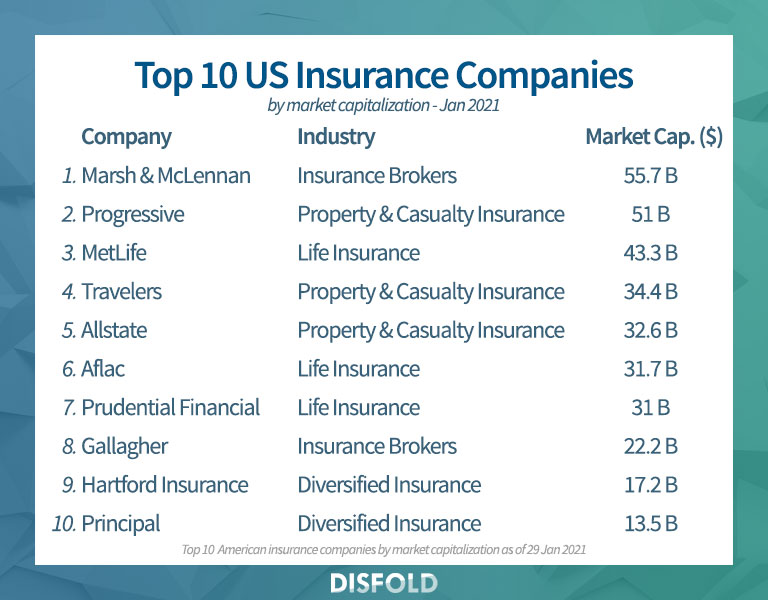
In the vast landscape of insurance providers, a few stand out due to their exceptional services and customer satisfaction. These top-rated insurance companies have set industry standards with their innovative solutions and unwavering reliability.
Understanding what makes these companies excel involves exploring the criteria that define their ratings and the market trends that influence these evaluations. Let’s delve into the details of these high-performing insurers.
Leading Insurance Providers and Their Evaluation Criteria
When it comes to evaluating the highest rated insurance companies in America, several critical factors come into play. These include financial strength, customer service, claim processing speed, and the range of offered products.
- Financial Strength: Companies with robust financial health ensure their ability to settle claims efficiently.
- Customer Service: Exceptional customer support reflects in high client retention and satisfaction rates.
- Claim Processing Speed: Quick and hassle-free claim resolutions enhance a company’s reputation.
- Product Range: Diverse offerings cater to various customer needs, improving the firm’s market presence.
Current Market Trends Influencing Insurance Ratings
In recent times, certain market trends have significantly impacted the ratings of insurance companies. The increasing adoption of technology, such as AI in underwriting and claims processing, has improved efficiency and customer experience.
| Trend | Impact on Insurance Ratings |
|---|---|
| Digital Transformation | Enhanced customer interaction and streamlined processes. |
| Customer-Centric Approaches | Customized policies and services lead to higher satisfaction. |
| Sustainability Initiatives | Eco-friendly practices resonate with environmentally conscious consumers. |
Distinct Differences Among Top Insurance Companies
The top-rated insurance companies, while sharing common strengths, also exhibit unique attributes that distinguish them from one another. For instance, some may offer superior digital platforms, while others focus on providing personalized customer service.
“The best insurers are those that combine innovation with a commitment to customer satisfaction.”
Understanding these nuances is crucial for consumers looking to select an insurance provider that aligns with their personal preferences and needs.
Key Features of Leading Insurance Companies
In the competitive world of insurance, certain companies rise to the top due to their exceptional features. These features not only attract but also retain customers, making them the highest rated in America.
Understanding what makes these companies excel can help consumers make informed decisions about where to place their trust and investment. Let’s delve into the primary attributes that distinguish these leading insurers.
Exceptional Customer Service and Support
One of the hallmarks of top-rated insurance companies is their unparalleled customer service. These companies prioritize customer satisfaction by offering 24/7 support lines, personalized service, and swift claims processing. It’s not just about having a policy—it’s about having a partner in your corner who understands your needs and responds efficiently.
Moreover, these firms often invest in customer feedback loops, ensuring they not only hear but also act upon the voices of their clientele. This commitment to service excellence fosters trust and loyalty, setting them apart from the competition.
Technological Advancements and Innovation
In today’s digital age, leading insurance companies leverage cutting-edge technology to enhance their offerings. From AI-driven analytics that predict customer needs to user-friendly mobile apps that allow for seamless policy management, technology is at the forefront of their service models.
These advancements not only improve efficiency but also provide customers with greater control over their insurance experience. As technology evolves, so too do the ways these companies meet the demands of their tech-savvy customers.
Comparative Analysis of Key Features
To better understand the landscape, here’s a comparison table highlighting key features among leading insurers:
| Insurance Company | Customer Service | Technological Integration | Claims Processing |
|---|---|---|---|
| Company A | 24/7 Support, Personalized Service | Advanced Mobile App | Quick Processing Time |
| Company B | Dedicated Agent System | AI-Driven Analytics | Expedited Claims Approval |
| Company C | Comprehensive Feedback System | Integrated Online Platform | Efficient Resolution Pathways |
High-quality service and innovative technology are the pillars supporting the success of America’s top insurance companies.
Customer Satisfaction and Feedback
When it comes to choosing an insurance provider, customer satisfaction is a key component that can’t be overlooked. Understanding how top-rated insurers are perceived by their clients offers invaluable insights into their performance and reliability.
Insurance companies strive to meet and exceed customer expectations, knowing that positive experiences can lead to customer loyalty and repeat business. To better understand these dynamics, let’s explore how customer satisfaction is measured and analyzed in the insurance sector.
Anatomy of Customer Satisfaction Scores
Customer satisfaction scores are derived from a blend of surveys, feedback forms, and independent reviews, offering a comprehensive view of an insurer’s performance. These scores are crucial as they reflect the insurer’s ability to meet the promised standards of service.
- Scores are typically measured on a scale from 1 to 10, with higher scores indicating greater satisfaction.
- Key areas evaluated include claims processing speed, customer support, and policy value.
- Many top-rated insurers consistently achieve scores above 8, demonstrating their commitment to customer satisfaction.
Trends in Customer Feedback
Analyzing customer feedback reveals significant trends that can highlight both strengths and areas needing improvement. This feedback is often collected through online reviews, social media interactions, and customer service interactions.
- Customers frequently praise insurers for their rapid claim settlements, highlighting efficiency and reliability.
- There’s a growing trend of customers appreciating user-friendly digital platforms that simplify policy management.
- Feedback indicates a need for improved transparency in policy details to avoid misunderstandings.
Methods for Gathering Satisfaction Data
Insurance companies employ various methods to gather satisfaction data, ensuring they capture a holistic view of their clientele’s experience. These methods provide actionable insights that can lead to service improvements.
- Surveys and questionnaires: Direct feedback from policyholders, often incentivized with rewards.
- Net Promoter Scores (NPS): Measures the likelihood of customers recommending the insurer to others.
- Focus groups: Interactive sessions that delve deeper into customer experiences and perceptions.
“Customer feedback is the compass that guides an insurance company towards excellence, ensuring they remain aligned with client needs and expectations.”
Financial Strength and Stability
In the realm of insurance, financial strength serves as a beacon, guiding potential policyholders toward companies that promise reliability and security. This strength is not merely a fanciful notion but a measurable trait, scrutinized through meticulous assessments and ratings.
Financial strength in insurance companies is assessed through a variety of metrics and evaluations, indicating the company’s ability to meet its policyholder obligations. These assessments are invaluable for consumers, ensuring that their chosen insurer possesses the stability to handle claims even amidst economic turbulence.
Significance of Financial Ratings for Insurers
Financial ratings, assigned by renowned agencies such as A.M. Best, Moody’s, and Standard & Poor’s, play a pivotal role in shaping consumer confidence. These ratings reflect an insurer’s stability and capacity to meet its long-term commitments. A high rating can be a linchpin in securing consumer trust, as it underscores an insurer’s durability and resilience in the face of financial challenges.
Insurance companies often tout their ratings in promotional materials, thereby communicating their reliability to potential customers.
Examples of Financial Metrics and Reports
In assessing an insurer’s financial strength, several key metrics and reports come into play:
- Annual Reports: These provide a comprehensive overview of the company’s financial health, including profit margins and asset management.
- Solvency Ratios: Indicators of a company’s capacity to meet its long-term debts and obligations.
- Liquidity Ratios: Measure a company’s ability to meet short-term liabilities, crucial for ensuring prompt payment of claims.
- Reserves: Highlight the funds set aside to pay future claims, showcasing financial preparedness.
These financial documents and metrics are carefully analyzed to provide a clear picture of an insurer’s financial standing.
Financial Ratings of Top-Rated Insurers
The following table summarizes the financial ratings of some of America’s highest-rated insurance companies, illustrating their strength and reliability:
| Insurance Company | A.M. Best Rating | Moody’s Rating | Standard & Poor’s Rating |
|---|---|---|---|
| Insurance Co. A | A++ | Aa1 | AA+ |
| Insurance Co. B | A+ | Aa2 | AA |
| Insurance Co. C | A | A1 | A |
These ratings affirm the financial robustness of these insurers, ensuring they are well-equipped to fulfill promises to policyholders.
Types of Insurance Offered
In the ever-evolving landscape of insurance, top-rated companies in America offer a diverse array of insurance products designed to meet the unique needs of their customers. This vast selection not only provides peace of mind but also ensures comprehensive protection against life’s unpredictabilities.
By offering a wide range of insurance options, these leading companies empower consumers with the freedom to choose policies that best match their personal and financial goals. The popularity of certain insurance types highlights the demand for tailored solutions that cater to both traditional and modern-day challenges.
Exploring the Spectrum of Insurance Products
Top-rated insurance companies present a veritable buffet of choices, each designed to address specific aspects of life and business. The availability of multiple products ensures that consumers can find the perfect fit for their needs. Let’s delve into some of the most common and unique offerings:
- Auto Insurance: A staple for vehicle owners, providing coverage for accidents, theft, and other vehicle-related incidents.
- Homeowners Insurance: Protects against damages to one’s home and personal belongings, often including liability coverage.
- Life Insurance: Offers financial support to beneficiaries in the event of the policyholder’s death, with options for term, whole, and universal life policies.
- Health Insurance: Covers medical expenses ranging from routine checkups to critical care, offering peace of mind in health crises.
- Travel Insurance: Provides coverage for trip cancellations, lost luggage, and medical emergencies while traveling.
- Pet Insurance: Emerging as a popular choice, offering coverage for veterinary expenses for beloved pets.
- Cyber Insurance: A newer offering that safeguards businesses and individuals against the risks associated with cyber threats.
As the insurance industry continues to innovate, we see a growing emphasis on product diversity and customization. It’s not just about the sheer number of options available but also how these options can be tailored to create a personalized insurance experience.
Benefits of a Diverse Insurance Portfolio
Having access to a wide range of insurance products means more than just selection; it translates to security and flexibility. With a comprehensive portfolio:
- Customers can mix and match policies to suit their changing needs and life stages.
- There’s potential for discounted premiums by bundling various types of insurance.
- It encourages better risk management, allowing individuals and businesses to protect themselves from multiple angles.
- Insurance companies can provide more personalized service and responsive solutions to diverse customer demands.
By equipping individuals with the power of choice, insurance companies foster a sense of security and confidence, ensuring that, no matter the circumstance, there’s a policy ready to protect and serve.
Competitive Advantages and Challenges
In the ever-evolving landscape of insurance, top-rated companies distinguish themselves through a blend of innovation, customer-centric approaches, and robust financial frameworks. Yet, they are not immune to challenges that test their resilience and adaptability.
These companies leverage their strengths to maintain and enhance their market positions. However, the dynamic nature of the industry requires them to constantly adapt to new challenges such as regulatory changes, technological advancements, and shifting consumer expectations.
Harnessing Unique Competitive Advantages
Leading insurance companies are recognized for their innovative technology and comprehensive product offerings that cater to diverse customer needs. By adopting the latest technologies, these companies streamline processes and offer personalized solutions that enrich the customer experience. Additionally, the emphasis on financial strength ensures policyholders’ trust and long-term sustainability.
- Investment in cutting-edge technology to enhance service delivery.
- Diverse product portfolios that address varied customer demands.
- Strong financial health that assures policyholders of reliability and security.
Navigating Industry Challenges
Despite their advantages, top-rated insurance companies face significant challenges. The rapidly changing regulatory landscape requires continuous adaptation, while technological disruptions demand agility and foresight. Moreover, consumer expectations are higher than ever, necessitating a continual enhancement of customer service and engagement strategies.
- Adapting to stringent regulatory changes that affect operations.
- Integrating new technologies while maintaining system security.
- Meeting the evolving expectations of a more informed and demanding customer base.
Strategies to Overcome Challenges
To remain competitive, insurance companies deploy strategic initiatives that address these challenges head-on. For instance, partnerships with tech startups allow for a blend of agility and innovation, while proactive regulatory compliance teams ensure that companies are always a step ahead of new laws. Customer feedback loops and advanced analytics are employed to tailor products and services that resonate with the audience.
“Embracing change and innovation is not optional; it’s imperative for survival and success in the insurance industry.”
Collaborations and strategic investments in R&D for technology integration are common. Furthermore, customer loyalty programs and enhanced customer service platforms are leveraged to strengthen client relationships and improve satisfaction.
| Competitive Advantages | Potential Challenges |
|---|---|
| Advanced Technology Adoption | Technological Disruptions |
| Strong Financial Stability | Regulatory Changes |
| Diverse Product Offerings | Rising Consumer Expectations |
Final Thoughts
As we conclude our exploration of America’s highest rated insurance companies, it’s clear that their excellence is no accident. Through a unique blend of customer-focused service, technological innovation, and robust financial health, they have crafted a legacy of trust that stands the test of time. Whether you’re seeking coverage for your home, health, or happiness, these industry leaders promise a partnership that goes beyond the policy. Choose wisely, and invest in peace of mind that only the best can offer.

