Imagine steering your small business ship through the unpredictable waves of the market, knowing that no matter what storm hits, you’re safely shielded by the robust cover of affordable insurance. This isn’t just a dream; it’s a reality within your grasp. Affordable small business insurance policies are designed to act as your financial lifeboat, providing you with the assurance that your hard-earned venture is protected against the unforeseen.
Dive into the world of small business insurance, where understanding and securing the right policy can transform your business’s resilience. Each policy is like a puzzle piece, fitting perfectly with your unique business needs, and when pieced together, they form a powerful shield against potential risks. Let us guide you through the essential steps to not only find but also benefit from these affordable protection plans that promise peace of mind.
Understanding Affordable Small Business Insurance Policies
In today’s dynamic business landscape, small business owners must navigate numerous challenges. One of the significant considerations is securing effective yet affordable insurance policies that safeguard their operations. Let’s explore the essentials of small business insurance and uncover how it can be both a protective shield and a financial lifesaver.
An affordable small business insurance policy is not just a luxury; it’s a necessity that helps protect against the unexpected. These policies cover various risks and help ensure that a business can recover from setbacks without devastating financial losses.
Key Components of Small Business Insurance Policies
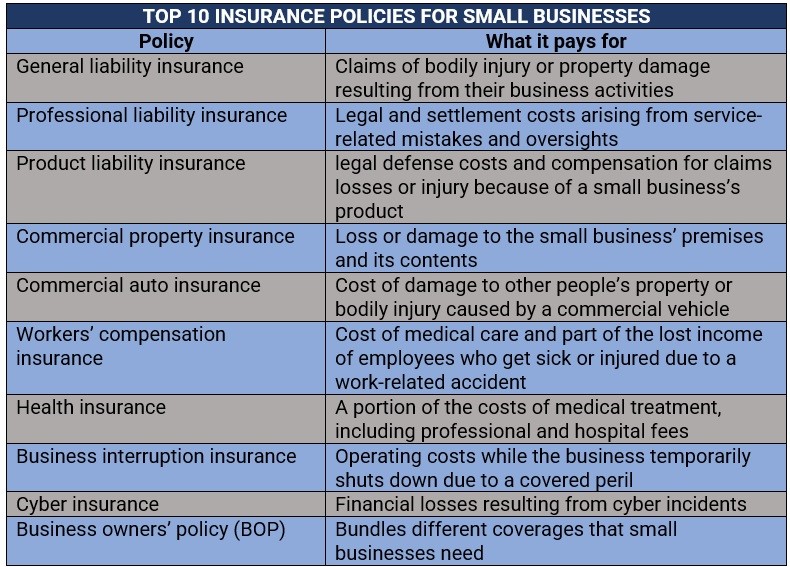
The backbone of any insurance policy is its components. For small businesses, understanding these components ensures that they choose the right coverage. Here are the elements to consider:
- General Liability Insurance: Covers legal issues due to accidents, injuries, and claims of negligence.
- Property Insurance: Protects your physical assets like equipment, inventory, and the building from damage or theft.
- Workers’ Compensation Insurance: Provides wage replacement and medical benefits to employees injured on the job.
- Business Interruption Insurance: Compensates for lost income during events that disrupt the normal course of business.
Types of Insurance Policies Suitable for Small Businesses
Every small business is unique, necessitating a range of policy options to match specific needs. Below is a list of various insurance types that cater to small business operations:
- Professional Liability Insurance
- Commercial Auto Insurance
- Cyber Liability Insurance
- Product Liability Insurance
- Equipment Breakdown Insurance
The Importance of Insurance for Small Businesses
Insurance isn’t just another expense on your ledger; it’s a vital part of your business strategy.
“Protecting your business today means securing your tomorrow.”
This means that having the right insurance can save you from potential lawsuits, financial losses, and even closure. It provides peace of mind, allowing you to focus on growing your business without fearing unforeseen setbacks.
Benefits of Affordable Small Business Insurance Policies
Affordability doesn’t mean a compromise on quality. By selecting the right policy, small businesses can benefit in numerous ways:
| Benefit | Description |
|---|---|
| Cost Efficiency | Lower premiums without sacrificing coverage quality. |
| Risk Management | Helps identify and mitigate potential risks specific to the business sector. |
| Stability | Ensures business continuity even in adverse situations. |
| Trust Building | Increases credibility with clients and partners when you have reliable coverage. |
Identifying Cost-Effective Insurance Providers
Finding the right insurance provider for your small business can be a daunting task, but identifying cost-effective options doesn’t have to be. Let’s explore how you can secure the best insurance for your dollar.
When you’re on the hunt for affordable insurance, it’s crucial to compare what different providers offer. Not only should you be looking at the cost, but also the benefits and features that come with each policy. This will ensure you get the best value for your investment.
Top Affordable Providers for Small Business Insurance
Several providers stand out in terms of affordability and comprehensive coverage for small businesses. Companies like Hiscox, Next Insurance, and The Hartford are renowned for their competitive pricing and excellent customer service. Choosing wisely among these can make a significant difference for your business.
Comparing Features and Benefits
To help you decide, let’s break down the features and benefits offered by each provider in a simple comparison format:
| Provider | Key Features | Benefits |
|---|---|---|
| Hiscox | Customizable policies, professional liability | Flexible payment options, tailored coverage |
| Next Insurance | Online access, fast quotes | Convenience, competitive rates |
| The Hartford | Comprehensive packages, industry-specific coverage | Expertise, strong financial backing |
Tips for Selecting the Right Provider
Selecting the right insurance provider involves more than just comparing policies. Consider the following tips:
- Assess your business risks and needs first.
- Look for providers with good reviews and a strong reputation.
- Ensure their customer service is reliable and accessible.
Negotiating Better Rates
Securing a good rate goes beyond just accepting the initial offer. Here’s how you can negotiate effectively:
“Insurance is negotiable; approach it as such.”
Start by gathering quotes from multiple providers, then use those quotes as leverage. Don’t shy away from asking for discounts or bundled deals. Being transparent about your budget can open doors to better offers.
Strategies for Reducing Insurance Costs
In the dynamic world of small business, every penny counts. Optimizing your insurance expenditure can lead to significant savings while ensuring your business is adequately protected.
By employing strategic approaches, you can effectively lower your insurance premiums and enhance your financial stability.
Implementing Effective Risk Management Practices
One of the most effective ways to lower your insurance premiums is through robust risk management practices. By actively reducing the risks associated with your business operations, you demonstrate to insurers that your business is a lower risk, which can lead to reduced rates. Examples of such practices include:
- Regular Safety Training: Conduct frequent training sessions for employees to minimize workplace accidents.
- Security Enhancements: Install and maintain security systems, like alarms and surveillance cameras, to deter theft and vandalism.
- Maintenance Protocols: Implement a strict schedule for equipment and infrastructure maintenance to prevent malfunctions and accidents.
Bundling Policies for Greater Savings
Exploring the option of bundling policies can significantly affect your insurance costs. Insurers often provide discounts when you purchase multiple policies from them. Below is a comparative table that highlights potential savings.
| Type of Coverage | Individual Policy Cost | Bundled Policy Cost | Potential Savings |
|---|---|---|---|
| General Liability | $800 | $2,000 | $500 |
| Property Insurance | $1,200 | ||
| Workers’ Compensation | $500 |
Bundling insurance policies not only saves money but also simplifies policy management.
Impact of Increasing Deductibles
Choosing to increase your deductibles can be a powerful strategy for reducing insurance premiums. A higher deductible means you’ll pay more out-of-pocket in the event of a claim, but this can significantly lower your initial insurance costs. Consider the following:
- Higher deductibles result in lower premiums, offering immediate cost savings.
- Ensure that your business can handle the increased out-of-pocket expenses if a claim arises.
- This approach can be particularly beneficial for businesses with a low claim history.
Customizing Insurance Policies to Fit Business Needs
One size doesn’t fit all when it comes to insurance policies, especially for small businesses with unique characteristics and specific needs. Customizing an insurance policy ensures that your business is protected from the risks it is most likely to face, without paying for coverage that isn’t necessary.
Customizing a policy involves a thoughtful process that requires understanding your business’s unique risks, needs, and goals. By tailoring your insurance, you can achieve a balance between comprehensive protection and cost-effectiveness.
Step-by-Step Process for Customizing Small Business Insurance Policies
Follow these steps to create a bespoke insurance plan that aligns with your business objectives:
- Assess Your Risk: Identify potential risks and liabilities unique to your business.
- Prioritize Coverage Needs: Determine which areas require the most protection based on your risk assessment.
- Consult with an Insurance Advisor: Engage with professionals who can offer insights and options tailored to your needs.
- Evaluate Policy Options: Compare policies from different providers to find the best fit.
- Adjust Coverage Limits: Modify coverage amounts to match your risk exposure and financial capacity.
- Regularly Review and Update: Revisit your policy regularly to ensure it remains aligned with your evolving business.
Factors to Consider When Tailoring an Insurance Policy
Customizing your business’s insurance policy requires careful consideration of various factors to ensure comprehensive protection:
- Industry-Specific Risks: Understand the common liabilities within your industry.
- Business Size and Structure: Take into account how your business’s size and organizational structure affect risk exposure.
- Location: Consider geographical risks such as natural disasters or regional legal regulations.
- Budget Constraints: Balance adequate coverage with your financial limits.
- Future Growth Plans: Anticipate future changes and potential expansions that may affect insurance needs.
Questions to Ask When Customizing an Insurance Policy
To ensure you’re getting the most out of your insurance policy, ask yourself these critical questions:
- What are the most significant risks my business faces?
- Which aspects of my business require the highest coverage levels?
- How will my insurance needs change as my business grows?
- Are there any gaps in my current insurance coverage?
- Do I understand the exclusions and limitations of my policy?
Examples of Custom Insurance Solutions for Different Industries
Each industry has its own set of challenges and risks, requiring unique insurance solutions:
| Industry | Custom Insurance Solution |
|---|---|
| Retail | Enhanced liability coverage to protect against customer injury claims in-store. |
| Technology | Cyber liability insurance to safeguard against data breaches and IT failures. |
| Construction | Builders risk insurance to cover site-specific hazards and equipment damage. |
| Food Services | Product liability insurance to mitigate risks related to food safety issues. |
“Customizing your insurance policy is about striking the right balance between risk protection and cost efficiency.”
Legal and Compliance Considerations
Navigating the world of small business insurance is not just about managing risks—it’s about adhering to a tapestry of legal and compliance requirements. These considerations can vary significantly across different states, making it crucial for business owners to be well-informed.
Understanding the legal landscape of small business insurance is essential for safeguarding your enterprise against potential pitfalls. This involves a keen awareness of both state-specific mandates and industry regulations that dictate what types of insurance are necessary. Complying with these requirements not only protects your business but also enhances credibility and trust with clients and partners.
State-Specific Insurance Requirements
Each state in the U.S. has its own unique set of laws governing the types of insurance small businesses must hold. For instance, while workers’ compensation insurance is universally required, the specifics, such as the number of employees triggering the requirement, can vary. In California, businesses with one or more employees must have this insurance, whereas in Texas, it is not mandatory for all businesses. Being familiar with these variations is crucial for compliance.
The Role of Insurance in Regulatory Compliance
Insurance not only protects your business from financial losses but also plays a vital role in meeting industry regulations. For example, healthcare providers are often required to carry malpractice insurance to comply with healthcare industry standards. Similarly, construction companies might need general liability insurance to secure contracts and adhere to industry norms. Staying compliant means understanding these specific regulatory demands and ensuring your insurance policies meet them.
“In one notable case, a restaurant owner in New York faced a hefty penalty for operating without the required liquor liability insurance. This oversight not only jeopardized their business but also highlighted the critical importance of insurance compliance in the food and beverage industry.”
Potential Legal Issues from Inadequate Coverage
Failing to secure adequate insurance coverage can lead to a host of legal issues for small businesses. Without the right policies in place, your business might face lawsuits, regulatory fines, or even be forced to cease operations. For instance, a lack of cyber liability insurance could leave a business vulnerable to breaches and legal claims related to data privacy violations. Ensuring comprehensive coverage mitigates these risks and safeguards your business’s future.
Utilizing Technology to Manage Insurance Policies
In today’s fast-paced business world, the integration of technology into managing insurance policies is not just a perk but a necessity. Empowering small businesses with digital tools can vastly improve the efficiency and effectiveness of insurance management.
By leveraging insurance management software and digital platforms, small business owners can streamline policy handling, ensuring nothing falls through the cracks.
Harnessing the Power of Insurance Management Software
Insurance management software is designed to simplify the intricate process of policy tracking. It helps small businesses keep an accurate record of all their policies, ensuring compliance and avoiding costly oversights. These tools often come with features like automated alerts for policy renewals and premium due dates, which eliminate missed deadlines and potential lapses in coverage.
The Advantages of Digital Platforms in Insurance Management
Digital platforms offer a host of advantages for managing small business insurance. From real-time updates to centralized access to all insurance documents, these platforms enable businesses to manage their insurance needs from anywhere at any time. The paperless nature of digital solutions also contributes to environmental sustainability while reducing physical clutter.
Traditional vs. Digital Insurance Documentation
| Traditional Method | Digital Method |
|---|---|
| Manual filing of documents, prone to loss and damage. | Electronic storage, easily backed up and retrieved. |
| Limited access, requiring physical presence. | Remote access via secured digital platforms. |
| Time-consuming updates and renewals. | Automated processes and timely notifications. |
Mobile Apps: A New Frontier in Insurance Management
Mobile applications have revolutionized the way small businesses handle insurance management. Apps like PolicyGenius, CoverWallet, and Next Insurance offer intuitive interfaces for seamless policy management on the go. These apps provide instant access to policy documents, claims tracking, and even quote comparisons, all from the convenience of a smartphone.
“Technology is the enabler, giving small businesses the power to manage their insurance with unprecedented ease and precision.”
Final Thoughts
As you embark on your journey to secure the most fitting and affordable insurance for your small business, remember that every proactive step you take now fortifies your business against the storms of tomorrow. Embrace the power of customization, and leverage technology to manage your policies with ease. Affordable insurance isn’t just about saving money—it’s about investing in the ongoing safety and success of your business. The right coverage not only protects but propels you towards new business horizons.

